
Skin Tag & Wart Removal in Bengaluru | Safe & Quick

Pigment Skin & Hair Clinic

Skin Tags & Warts: What Bengaluru Patients Should Know Before Treatment

Dermatologist examining skin tags and warts at Pigment Skin & Hair Clinic Bengaluru using safe, medical-grade procedures

Many people notice small bumps or growths on their skin and assume they’re harmless. You might have seen a soft flap of skin on your neck or a rough bump on your hand and thought about trying a home remedy to remove it. In Bengaluru, where our weather, friction from clothing, and stress levels often irritate the skin, such concerns are very common.

But here’s the truth. Not every growth is the same. Some are harmless, like skin tags, while others, such as warts, are caused by a virus and can spread. And removing them the wrong way can lead to infection, scarring, or recurrence.

This article breaks down what skin tags and warts really are, how to tell them apart, why home removal can be risky, and what dermatologists in Bengaluru recommend for safe and permanent removal.

Understanding Skin Tags and Warts

Before choosing any treatment, it’s important to know what you’re dealing with.

What are skin tags?

Skin tags are small, soft, flesh-colored pieces of skin that often hang from the surface. They are harmless and non-cancerous. These growths commonly appear in areas where the skin rubs against itself or clothing, such as the neck, armpits, eyelids, groin, and under the breasts.

Common causes include:

  • Friction from skin folds or clothing
  • Hormonal changes
  • Family history
  • Weight fluctuations

Skin tags are not contagious, and many people choose to remove them for cosmetic reasons or if they become irritated.

What are warts?

Warts, on the other hand, are caused by the human papillomavirus (HPV). This virus infects the top layer of skin, causing rough, raised bumps that can vary in size. They are more common on the hands, feet, elbows, and knees but can appear anywhere on the body.

Warts are contagious. They can spread through touch, shared towels, or shaving over affected skin. Some may even recur after removal if the virus remains active.

The key differences

Feature

Skin Tag

Wart

Cause

Friction or genetics

Viral infection (HPV)

Texture

Soft and smooth

Hard and rough

Spread

Not contagious

Contagious

Pain

Usually painless

May be painful or tender

Risk

Cosmetic concern

Can spread to other areas

If you’re unsure what kind of growth you have, don’t guess. A quick consultation with a dermatologist in Bengaluru can confirm the diagnosis within minutes.

Why You Should Avoid Home Remedies

The rise of online DIY hacks

Search online, and you’ll find hundreds of “home removal tricks” using vinegar, thread, nail polish, or even burning methods. These might look easy or inexpensive but are not medically safe. The internet makes it seem harmless, but your skin deserves professional care, especially when infections or scars can form so easily.

The real risks of DIY removal

  • Infection: Non-sterile tools or chemical burns can cause serious bacterial infections.
  • Bleeding: Skin tags have small blood vessels, and improper cutting can lead to bleeding.
  • Scarring: Home methods often damage deeper layers of skin, leaving permanent marks.
  • Misdiagnosis: What you think is a harmless skin tag could be another skin condition that needs different treatment.
  • Spread of warts: Trying to cut or peel off a wart can spread the virus to nearby areas.

What dermatologists in Bengaluru are noticing

Many dermatologists in Bengaluru report patients coming in with complications after failed home treatments. Some have developed infections or pigmentation that take longer to heal than the original problem.

It’s always safer, quicker, and ultimately cheaper to get it done professionally.

Worried About a Skin Tag or Wart?

Get a quick evaluation from our dermatologists at Pigment Skin & Hair Clinic, Bengaluru. We offer safe, painless and medically approved removal options for all skin types.

Speak to Our Dermatologist on WhatsApp

Safe and Effective Dermatologist Treatments
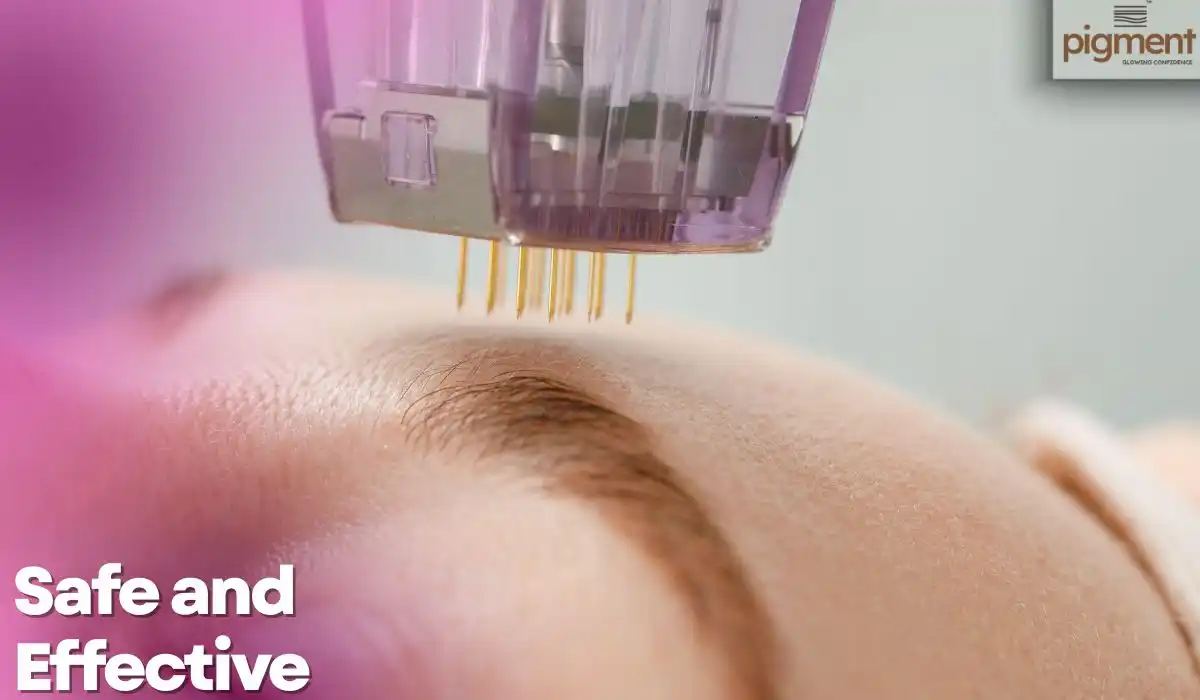
Safe skin tag and wart removal performed by a dermatologist at Pigment Skin & Hair Clinic Bengaluru using advanced, precise treatment methods

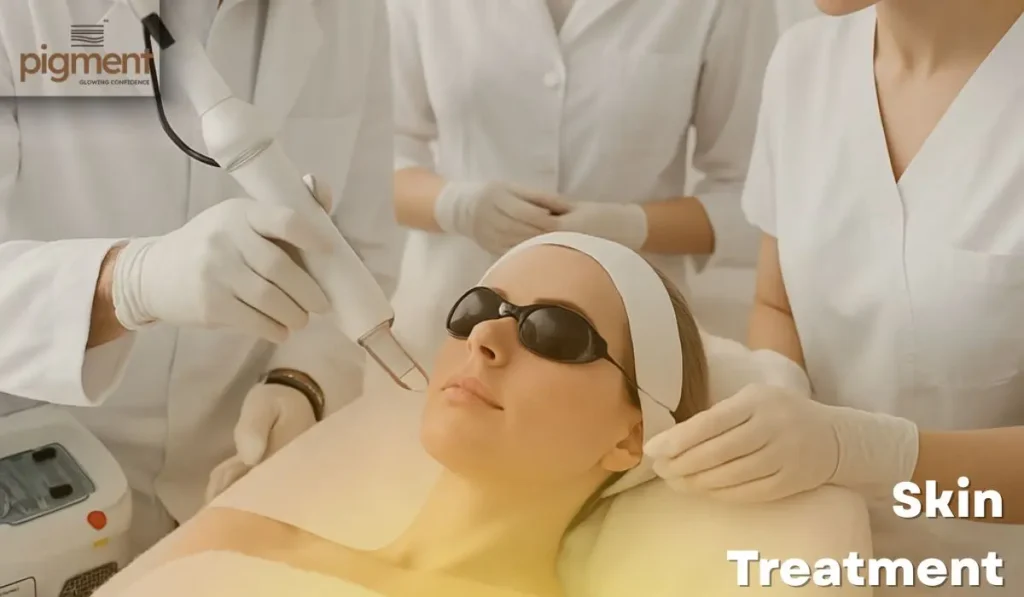
Dermatologists use sterile techniques and precise tools to remove skin tags and warts without pain or scarring. The procedures are quick and typically done within minutes.

How dermatologists remove skin tags

  1. Radiofrequency cautery: A controlled electrical current burns off the tag gently without affecting surrounding skin. It’s safe, quick, and leaves minimal marks.
  2. Cryotherapy: The dermatologist freezes the tag using liquid nitrogen, causing it to dry up and fall off naturally after a few days.
  3. Laser removal: A focused beam of light vaporizes the tag in seconds. This is ideal for delicate areas like the face or eyelids.
  4. Snip excision: A sterile scissor or scalpel is used to cut off the tag after numbing the area with a local anesthetic.

How dermatologists treat warts

  1. Cryotherapy: Freezes the wart to destroy the virus-infected tissue.
  2. Electrocautery or laser ablation: Burns or vaporizes the wart completely.
  3. Topical medications: Prescription creams that help dissolve the wart over time.
  4. Combination therapy: Used for recurring or widespread warts, combining physical removal and antiviral creams.

What to expect during the procedure

  • The treatment area is cleaned and numbed for comfort.
  • The actual removal takes only a few minutes.
  • You might feel slight warmth or tingling.
  • Mild redness or tenderness can appear for a day or two.

Healing happens within five to seven days, and most patients can return to normal activities immediately.
Cost of Skin Tag and Wart Removal in Bengaluru

Procedure

Average Cost per Session

Recovery Time

Skin Tag Laser Removal

₹1,000 – ₹3,000 (per area)

2–5 days

Wart Removal (Cryotherapy)

₹1,500 – ₹4,000 (per session)

5–7 days

Electrocautery

₹2,000 – ₹5,000

5–7 days

Multiple Growths (Package)

₹4,000 – ₹8,000

Varies

What affects the cost:

  • Number and size of growths
  • Area of the body (sensitive areas require more precision)
  • Type of procedure and technology used

At Pigment Skin & Hair Clinic, we offer same-day removal for most cases, with transparent pricing and procedures done under sterile conditions.

What to Expect Before and After Treatment

Before treatment

  • The dermatologist will examine the growths under magnification to confirm whether it’s a tag or wart.
  • You’ll be advised on the most suitable procedure based on the number, size, and skin location.
  • Local anesthesia is applied for comfort if necessary.

After treatment

  • Keep the treated area clean and dry for 24 hours.
  • Apply prescribed ointments or soothing creams.
  • Avoid scratching or touching the area.
  • Skip swimming or heavy exercise for two days.

Most treated areas heal quickly, with new skin forming naturally. Warts may need repeat sessions, especially if the infection is deep or widespread.

Preventing Skin Tags and Warts from Coming Back

For skin tags

  • Maintain a healthy weight to reduce friction.
  • Avoid tight clothing around the neck or underarms.
  • Keep skin folds dry and clean.
  • Moisturize regularly to reduce irritation.

For warts

  • Do not pick or scratch warts to prevent spreading the virus.
  • Avoid sharing razors, towels, or footwear.
  • Strengthen your immune system through a balanced diet and rest.
  • Treat any small wart early before it multiplies.

Regular skin checks

If you tend to develop skin tags or warts often, schedule an annual skin check. A quick visit to your dermatologist helps detect new growths early and keeps your skin healthy.

Why Choose a Dermatologist Clinic in Bengaluru

Accurate diagnosis

Many conditions look like skin tags or warts but aren’t. A dermatologist can identify the type precisely and ensure the right treatment.

Hygienic and safe environment

Professional clinics use sterile instruments and medical-grade technology that prevents infections or scarring. This level of hygiene isn’t guaranteed with home kits or salons.

Latest technology and experience

Clinics such as Pigment Skin & Hair Clinic in Bengaluru use radiofrequency and laser systems that remove growths safely and leave minimal marks. Experienced dermatologists ensure fast recovery and smooth results.

Quick results

Most removals take less than 30 minutes. You can resume work immediately, making it an easy, same-day procedure for busy professionals.

Final Thoughts

Skin tags and warts are common and mostly harmless, but removing them safely requires professional care. While home remedies may promise quick fixes, they can easily lead to infections, scars, or spreading of the virus.

If you’re in Bengaluru and notice skin tags or warts, consult a dermatologist instead of trying to treat them yourself. At Pigment Skin & Hair Clinic, our dermatologists use proven methods like laser, cryotherapy, and radiofrequency to remove these growths quickly and safely.

With proper care and expert hands, you can achieve clear, smooth skin in just one visit.

Ready to Remove Your Skin Tag or Wart Safely?

Book a dermatologist-led removal session at Pigment Skin & Hair Clinic, Bengaluru. Quick, safe and performed with medical precision.

Book My Appointment on WhatsApp

FAQs on Skin Tags & Warts

Q1. Are skin tags and warts the same?

Ans: No. Skin tags are harmless growths caused by friction, while warts are caused by a viral infection that can spread.

Q2. Are they dangerous?

Ans: Usually not, but it’s important to confirm the diagnosis. Some skin growths may look similar but require different medical care.

Q3. Does removal hurt?

Ans: Not at all. Dermatologists use local anesthesia or numbing creams, making the procedure comfortable and quick.

Q4. Can warts come back after removal?

Ans: Yes, warts may recur since they are viral. Follow-up sessions or antiviral creams help prevent recurrence.

Q5. Is removal covered by insurance?

Ans: If the growth causes discomfort or infection, insurance may cover part of the cost. Cosmetic removals are usually self-paid.

Scroll to Top