Pigmentation is one of the most common concerns for people in Bangalore, but also one of the most misunderstood. Many believe it is permanent, while others keep switching products hoping something will work.
The truth is simple: pigmentation is treatable, but only when you match the right treatment to the right cause.
This guide will help you understand where those patches come from and what actually helps them fade.
What Pigmentation Really Means
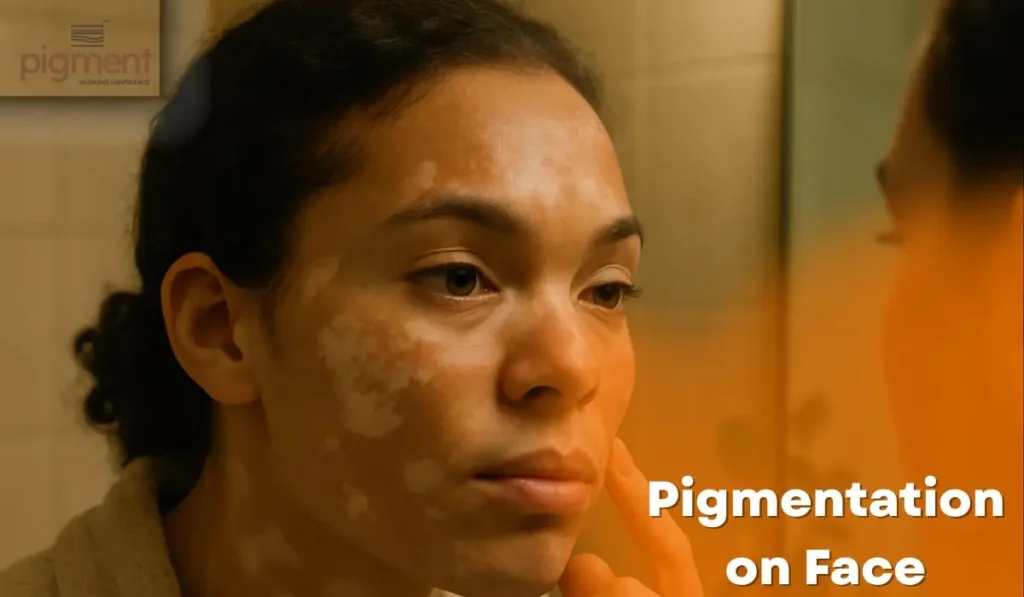
Pigmentation develops when your skin makes more melanin than it needs in certain areas. This uneven melanin production creates dark spots, patches, or an overall uneven tone.
There are a few types you will commonly see:
1. Melasma
Large, brown patches that appear on the cheeks, forehead, nose, or upper lip. It is strongly linked to sun exposure, hormones, and heat. Melasma is chronic but can be effectively managed.
2. Post-Inflammatory Hyperpigmentation (PIH)
Dark marks left behind after acne, rashes, eczema, or even minor injuries. Indian skin tones are especially prone to PIH because our melanin cells are more active.
3. Sun Spots / Age Spots
Flat brown patches caused by long-term sun exposure. Bangalore’s high UV index means these can show up earlier than expected.
4. Freckles
Small brown spots that darken with sun exposure. They are harmless but can increase in number with UV exposure.
Pigmentation is not a single problem. It is a spectrum, and each type responds differently to treatment.
Why Pigmentation Is So Common in Bangalore
Bangalore’s weather is gentle, but its environment is not.
Dermatologists notice that pigmentation worsens here because of:
- Strong UV exposure, even on cool days
- Pollution, which increases inflammation and pigmentation
- Hard water, which can irritate sensitive skin
- Heat and sweat, especially during commutes
- Hours spent in AC rooms, which dry out the skin
- High screen time, which contributes to oxidative stress
Pigmentation in Bangalore is rarely caused by just one factor. It is usually a combination, which is why proper diagnosis matters.
Major Causes of Pigmentation
1. Sun Exposure
UV rays trigger melanin production. This is the number one cause of pigmentation in Indian skin.
2. Hormonal Changes
Pregnancy, birth control pills, thyroid issues, or stress can lead to melasma.
3. Acne or Skin Injury
Any inflammation can leave behind a brown mark as the skin heals. Picking pimples makes PIH worse.
4. Ageing
Thinning skin and accumulated sun exposure lead to visible spots.
5. Genetics
Some people are naturally prone to developing pigmentation.
6. Medications
Certain drugs can make the skin more reactive to sunlight.
How to Prevent Pigmentation from Getting Worse
Pigmentation improves faster when the triggers stop. These habits actually work:
1. Use Sunscreen Daily
SPF 30 or 50 is essential, even indoors. UVA rays pass through windows and contribute to melasma.
2. Choose Gentle Skin Care
Harsh scrubs and DIY remedies often worsen PIH by irritating your skin barrier.
3. Add Antioxidants
Vitamin C, niacinamide, and azelaic acid help slow melanin production.
4. Stay Hydrated
Healthy, hydrated skin heals uneven tone faster.
5. Sleep and Stress Management
High cortisol levels increase melanin activity.
6. Do Not Pick Acne
Every squeeze increases your chance of long-lasting pigmentation.
The Most Effective Pigmentation Treatments in Bangalore
Pigmentation rarely disappears with home remedies alone. Dermatologist treatments target melanin more precisely and deeply.
Below are the treatments proven to work for Indian skin tones.
1. Medical-Grade Topical Treatments
Dermatologists prescribe creams that lighten pigmentation gently and safely.
Common ingredients include:
- Hydroquinone
- Retinoids
- Azelaic acid
- Kojic acid
- Tranexamic acid
- Vitamin C
These work best when paired with sun protection and regular follow-ups.
2. Chemical Peels
Peels exfoliate the top layer of skin and speed up fading of superficial pigmentation.
Ideal for:
- Acne marks
- Mild melasma
- Tanning
- Rough texture
Types used commonly: Glycolic, mandelic, lactic, salicylic, and customized pigment-control peels.
Sessions: 3 to 6
Downtime: Minimal
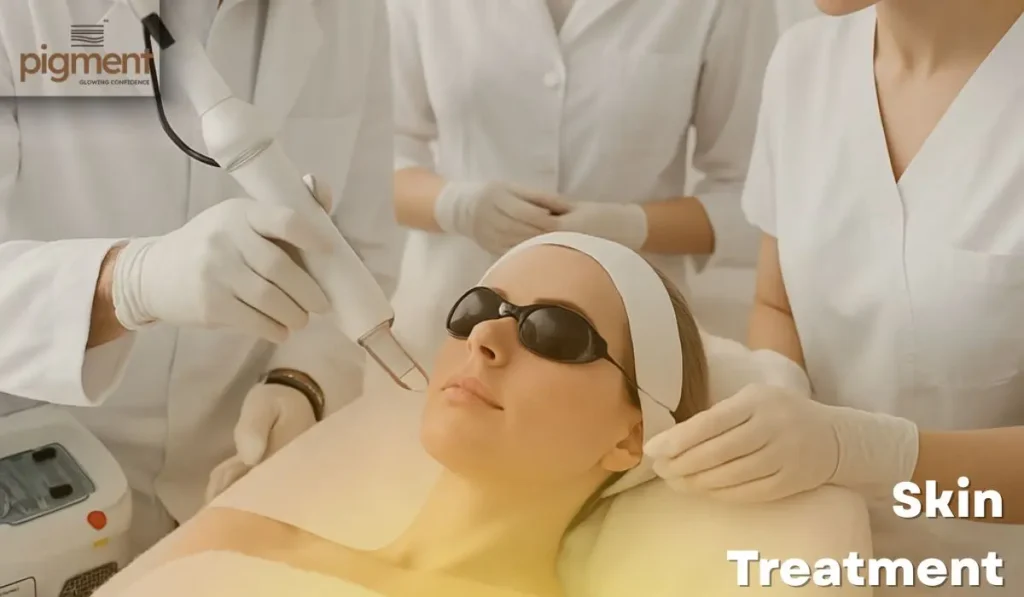
3. Q-Switched Laser / Laser Toning
One of the most effective options for deeper pigmentation.
How it works:
The laser breaks melanin particles into tiny fragments that your body naturally clears.
Best for:
- Deep pigmentation
- Stubborn melasma
- Sun spots
- Uneven tone
- Dull skin
Pigment Skin & Hair Clinic uses Tribeam Q-Switched ND YAG, a laser designed for melanin-rich skin, reducing the risk of irritation.
4. Carbon Laser (Hollywood Peel)
Great for those looking for glow, clarity, and mild pigmentation improvement.
Benefits:
- Brightens skin instantly
- Reduces oiliness
- Shrinks pores
- Improves surface pigmentation
Sessions: 3 to 6
5. Microneedling RF (MNRF)
This is ideal when pigmentation is linked to acne scars or uneven texture.
Benefits:
- Improves textural irregularities
- Boosts collagen
- Helps fade deeper PIH
6. Combination Therapy
Most Bangalore patients have mixed pigmentation, which responds best to a combination of treatments.
Common combinations include:
- Mild peel + laser toning
- Peels + Vitamin C
- Laser + tranexamic acid
- MNRF + peels for acne-prone skin
Combination treatments produce faster and more stable results.
Ready to Treat Your Pigmentation the Right Way?
Get a personalised treatment plan from dermatologists who understand Bangalore’s skin challenges. Book a consultation today.
Chat About Pigmentation TreatmentPigmentation Treatment Cost in Bangalore
Here is what you can expect:
Treatment | Cost (per session) | Works Best For |
Chemical Peels | ₹1,500 – ₹5,000 | Tanning, acne marks |
Laser Toning | ₹3,000 – ₹8,000 | Deep pigmentation, melasma |
Carbon Laser | ₹5,000 – ₹10,000 | Glow, mild pigment, oily skin |
MNRF | ₹6,000 – ₹15,000 | Scars with pigmentation |
Topical Creams | ₹800 – ₹2,000 | Mild pigmentation |
Prices vary depending on the clinic’s equipment, dermatologist expertise, and the severity of your condition.
Do Home Remedies Actually Help?

Home remedies may soothe the skin, but they rarely reduce true pigmentation. Some remedies, such as lemon juice or scrubs, can irritate the skin and worsen PIH.
They can be supportive, but they cannot replace medical treatments.
Why Pigmentation Keeps Coming Back
Even after successful treatment, pigmentation often returns if the underlying cause is still active.
Common reasons include:
- Inconsistent sunscreen use
- Hormonal fluctuations
- Ongoing acne
- Heat exposure
- Incorrect skin products
- Lack of maintenance therapy
Pigmentation needs ongoing care, not just a one-time fix.
When to See a Dermatologist
You should book a consultation when:
- Pigmentation spreads or looks darker
- You suspect melasma
- Acne marks are not fading after months
- Home remedies cause irritation
- You want long-term results
- You have sensitive skin or previous laser reactions
A dermatologist will identify the exact type and depth of pigmentation before suggesting treatments.
Pigment Skin & Hair Clinic’s Approach to Pigmentation
At Pigment Clinic, we focus on safe, personalized treatments designed for Indian skin tones and Bangalore’s environment. Every plan begins with a detailed skin analysis covering:
- Type and depth of pigmentation
- Trigger factors
- Skin sensitivity
- Lifestyle patterns
- Hormonal influences
We use advanced technologies like:
- Tribeam Q-Switched ND YAG laser
- Pigment-specific peels
- MNRF
- Targeted brightening protocols
Our goal is simple: fade pigmentation safely while preventing future flare-ups.
Final Thoughts
Pigmentation can be frustrating, especially when it keeps coming back. But once you understand what is causing it and follow a structured treatment plan, your skin becomes clearer, brighter, and easier to maintain.
If you are dealing with pigmentation and want guidance from dermatologists who understand Bangalore’s skin challenges, Pigment Skin & Hair Clinic is here to help you with a personalized approach.
Not Sure Which Pigmentation Treatment Is Right for You?
Different types of facial pigmentation need different solutions. A quick skin analysis with our dermatologists can help you understand exactly what your skin needs.
WhatsApp Us to Get Personal AdviceFAQs
Q1. Can pigmentation be completely cured?
Ans: Some types like PIH fade very well, while melasma needs long-term management. With correct diagnosis and consistent treatment, pigmentation improves significantly.
Q2. How long does pigmentation treatment take?
Ans: Most treatments show visible improvement within 4 to 6 weeks. Deeper pigmentation or melasma may need a few months of consistent care.
Q3. Which treatment works fastest for pigmentation?
Ans: Laser toning often shows quicker results for deeper pigment, while chemical peels work well for tanning and acne marks.
Q4. Are pigmentation treatments safe for Indian skin?
Ans: Yes, when done by trained dermatologists using India-safe laser settings and peel strengths. Incorrect or salon-based treatments can worsen pigmentation.
Q5. Will pigmentation come back after treatment?
Ans: It can return if triggers like sun exposure, hormones, or acne continue. Maintenance treatments and daily sunscreen reduce recurrence.