

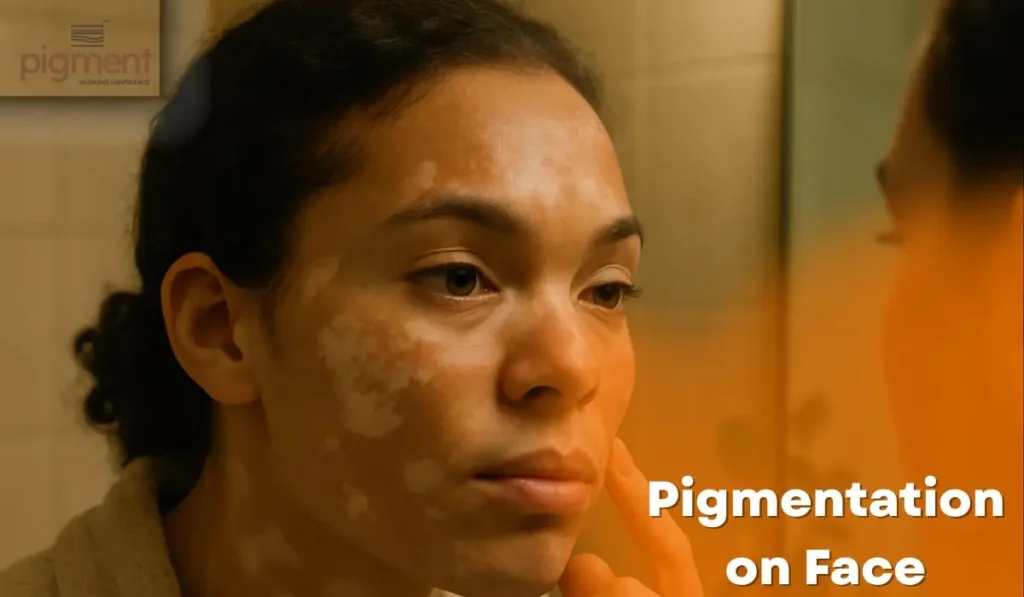
Pigmentation is one of the most common reasons people walk into a skin clinic in Bangalore. Dark patches on the cheeks, uneven skin tone, marks that remain long after acne heals, or stubborn discoloration that makeup barely hides. Almost everyone has dealt with some form of pigmentation at some point.
What makes pigmentation frustrating is not just how it looks, but how unpredictable it feels. One product works for a few weeks, then stops. A home remedy goes viral, but your skin shows no change. Some people spend months switching creams, facials, and treatments without understanding why nothing seems to work.
The reality is this. Pigmentation is treatable, but only when you treat the cause, not just the colour. And in a city like Bangalore, where sun exposure, pollution, stress, and lifestyle all affect the skin, pigmentation needs a careful, dermatologist-led approach.
This guide explains what pigmentation really is, the treatment options that work in Bangalore, how much they typically cost, and what kind of results you should realistically expect.
Why Pigmentation Is So Common in Bangalore
Bangalore’s environment plays a big role in why pigmentation is so widespread.
Even though the weather feels moderate, UV exposure is constant throughout the year. Many people underestimate sun damage because it does not always feel harsh. Add pollution, frequent screen exposure, hormonal stress, and inconsistent skincare routines, and pigmentation becomes almost inevitable.
Dermatologists in Bangalore commonly see pigmentation triggered or worsened by:
- Daily sun exposure without proper sunscreen
- Post-acne inflammation
- Hormonal changes related to stress, PCOS, or pregnancy
- Overuse of active ingredients without guidance
- DIY treatments and aggressive salon procedures
Because the causes vary, pigmentation does not respond to one single treatment for everyone.
Understanding Pigmentation Before Treating It
Pigmentation is not just one condition. It appears in different forms, and each behaves differently.
Common Types of Pigmentation Seen in Bangalore
- Melasma: Brown or grey patches, usually symmetrical, commonly seen on the cheeks, forehead, or upper lip. Hormones and sun exposure play a major role.
- Post-inflammatory pigmentation: Dark marks left behind after acne, rashes, or skin injury. Very common in Indian skin.
- Sun spots and tanning: Pigmentation caused by prolonged UV exposure, often on the face, neck, and arms.
- Uneven skin tone and dullness: Diffuse pigmentation that makes skin look tired and patchy rather than clearly marked.
Treating all of these the same way leads to poor results. This is where dermatologist evaluation becomes essential.
Why Seeing a Dermatologist Matters for Pigmentation
One of the biggest reasons pigmentation treatments fail is incorrect diagnosis.
Pigment can sit at different depths in the skin. Some pigmentation is superficial and responds well to peels. Other types are deeper and require lasers or combination therapy. Treating deep pigmentation with surface treatments alone leads to disappointment and relapse.
A dermatologist evaluates:
- Skin type and sensitivity
- Depth and pattern of pigmentation
- Triggers such as sun, hormones, or acne
- Past treatments and reactions
This assessment decides whether your skin needs peels, lasers, PRP, topical care, or a combination of these.
For Indian skin tones, incorrect treatment settings can worsen pigmentation rather than improve it. This is why professional supervision is non-negotiable.
Pigmentation Treatment Options That Work in Bangalore

Chemical Peels
Chemical peels are one of the most commonly used treatments for pigmentation.
They work by gently exfoliating the upper layers of skin, allowing pigmented cells to shed and fresh skin to emerge. Over time, this improves tone and brightness.
Peels are especially useful for:
- Post-acne pigmentation
- Mild to moderate uneven tone
- Early pigmentation
In Bangalore, dermatologists typically use peels like glycolic acid, lactic acid, or salicylic acid, carefully selected based on skin type.
Peels require multiple sessions, spaced a few weeks apart. Results build gradually, not overnight. When done correctly, downtime is minimal.
Laser Pigmentation Treatment
Lasers are used when pigmentation is deeper, stubborn, or recurring.
Laser treatment targets melanin directly. The pigment absorbs laser energy, breaks into smaller particles, and is cleared naturally by the body over time.
Laser treatment is commonly recommended for:
- Melasma with deeper pigment
- Sun spots that do not respond to peels
- Long-standing pigmentation
For Indian skin, dermatologists use controlled laser settings to avoid overheating and rebound pigmentation. Mild redness or warmth is common after a session, but recovery is usually quick.
Lasers are powerful tools, but only when used judiciously and under expert guidance.
Microdermabrasion
Microdermabrasion is a gentle exfoliation technique that improves skin texture and brightness.
It works best for:
- Very mild pigmentation
- Dull or uneven skin tone
- Maintenance between treatments
On its own, microdermabrasion is rarely enough for significant pigmentation. It is most effective when combined with peels or topical care.
Mesotherapy
Mesotherapy involves delivering vitamins, antioxidants, and skin-brightening ingredients into the skin using microinjections.
It supports pigmentation treatment by:
- Improving hydration
- Enhancing skin repair
- Boosting overall glow
Mesotherapy is usually recommended as a supportive treatment rather than a primary solution. Results are subtle and develop gradually over multiple sessions.
PRP for Pigmentation
PRP, or Platelet-Rich Plasma, uses growth factors derived from your own blood to stimulate skin repair.
PRP helps improve skin quality, texture, and tone. While it does not directly remove pigment, it enhances healing and improves the effectiveness of other treatments like lasers or peels.
PRP is often used as part of combination therapy for better long-term results.
Not Sure Which Pigmentation Treatment Is Right for You?
Pigmentation looks similar on the surface, but the cause can be very different. A quick consultation can help you understand what’s actually needed for your skin.
Talk to a Dermatologist on WhatsAppWhy Combination Treatment Often Works Better
Pigmentation rarely responds best to a single treatment.
Dermatologists often combine:
- Chemical peels with laser sessions
- Laser treatment followed by PRP
- Medical skincare alongside in-clinic procedures
Combination therapy targets pigmentation at multiple levels and reduces recurrence. Treatment plans are adjusted based on how the skin responds over time.
This personalised approach is one of the biggest differences between dermatologist-led clinics and generic treatment centres.
Cost of Pigmentation Treatment in Bangalore
Cost is one of the most common concerns for patients.
In Bangalore, pigmentation treatment usually ranges between ₹3,000 and ₹15,000 per session. The exact cost depends on several factors.
What Influences the Cost
- Type and depth of pigmentation
- Treatment method chosen
- Number of sessions required
- Dermatologist expertise and clinic standards
Chemical peels are generally more affordable, while laser treatments cost more. Combination treatments may involve higher overall investment but often give better results.
A good clinic explains costs clearly during consultation, without hidden charges.
How Many Sessions Do You Actually Need
Pigmentation takes time to improve.
Most patients need:
- 2 to 4 sessions for mild pigmentation
- 4 to 6 sessions for moderate pigmentation
- Ongoing maintenance for melasma
Sessions are usually spaced 3 to 4 weeks apart. Skipping sessions or stopping sunscreen use can reverse progress.
Consistency matters more than intensity.
What Real Results Look Like
One of the biggest myths is that pigmentation can be removed completely and permanently.
In reality, most patients see:
- Gradual lightening of dark patches
- More even skin tone
- Improved brightness and texture
Melasma, in particular, is a chronic condition. The goal is control and long-term management, not instant removal.
Dermatologists focus on sustainable improvement rather than short-lived results.
Why Sun Protection Is Essential During Pigmentation Treatment
No pigmentation treatment works without sun protection.
UV exposure stimulates melanin production and can undo weeks of treatment in a short time. That is why sunscreen is considered part of the treatment, not an optional add-on.
Dermatologists recommend:
- Daily broad-spectrum sunscreen
- Regular reapplication when outdoors
- Physical protection like hats or umbrellas
Without sun protection, pigmentation almost always returns.
Common Mistakes People Make With Pigmentation
Some of the most common reasons treatments fail include:
- Using random products without diagnosis
- Over-exfoliating the skin
- Switching clinics too frequently
- Expecting instant results
- Choosing treatments based only on price
Avoiding these mistakes improves outcomes significantly.
Choosing the Right Skin and Hair Clinic in Bangalore
A reliable skin and hair clinic in Bangalore offers:
- Dermatologist-led care
- Approved technology suitable for Indian skin
- Personalised treatment plans
- Transparent communication
- Follow-up and aftercare support
Pigmentation requires patience and medical guidance. The right clinic focuses on long-term skin health, not shortcuts.
When You Should Seek Professional Help
You should consult a dermatologist if:
- Pigmentation is worsening
- Dark patches keep returning
- Home care is not working
- Pigmentation affects confidence
Early intervention prevents deeper pigmentation and reduces the number of sessions needed.
Final Thoughts: What Actually Works for Pigmentation
Pigmentation treatment works best when guided by a dermatologist who understands Indian skin and Bangalore-specific triggers.
There is no single treatment that works for everyone. Chemical peels, lasers, PRP, and supportive therapies all play a role depending on the cause and depth of pigmentation.
With correct diagnosis, realistic expectations, and consistent care, pigmentation can be significantly improved and controlled over time.
Good results come from doing the right treatment, at the right time, under the right guidance.
Ready to Treat Pigmentation the Right Way?
If creams and home remedies haven’t worked, it may be time for a personalised dermatology plan. Our experts treat pigmentation based on skin type, cause, and lifestyle.
Book Pigmentation ConsultationCommon Questions About Pigmentation Treatment in Bangalore
Q1. Can pigmentation be completely removed?
Ans: Pigmentation can be improved significantly, but complete removal is not always possible. Conditions like melasma require long-term management rather than one-time treatment.
Q2. Which pigmentation treatment works fastest?
Ans: Laser treatments often show quicker visible improvement for deeper pigmentation. Chemical peels work gradually and are effective for surface pigmentation.
Q3. How many sessions are usually needed?
Ans: Most people need between three and six sessions, depending on the type and depth of pigmentation and how the skin responds to treatment.
Q4. Are pigmentation treatments safe for Indian skin?
Ans: Yes, when performed by a trained dermatologist using appropriate settings and protocols designed for Indian skin tones.
Q5. Will pigmentation come back after treatment?
Ans: Pigmentation can return if triggers like sun exposure are not controlled. Regular sunscreen use and maintenance care help prevent recurrence.