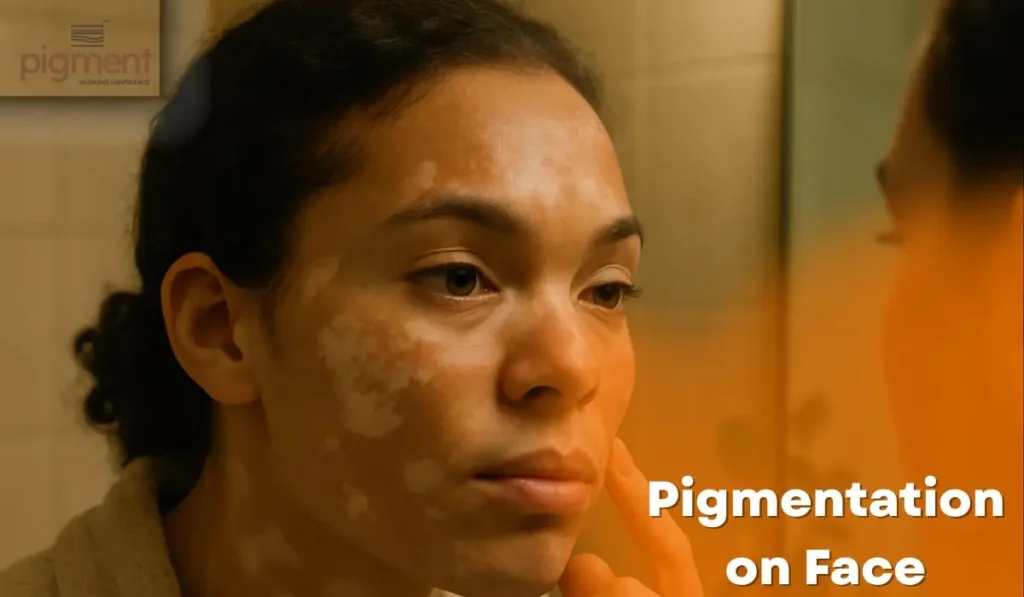
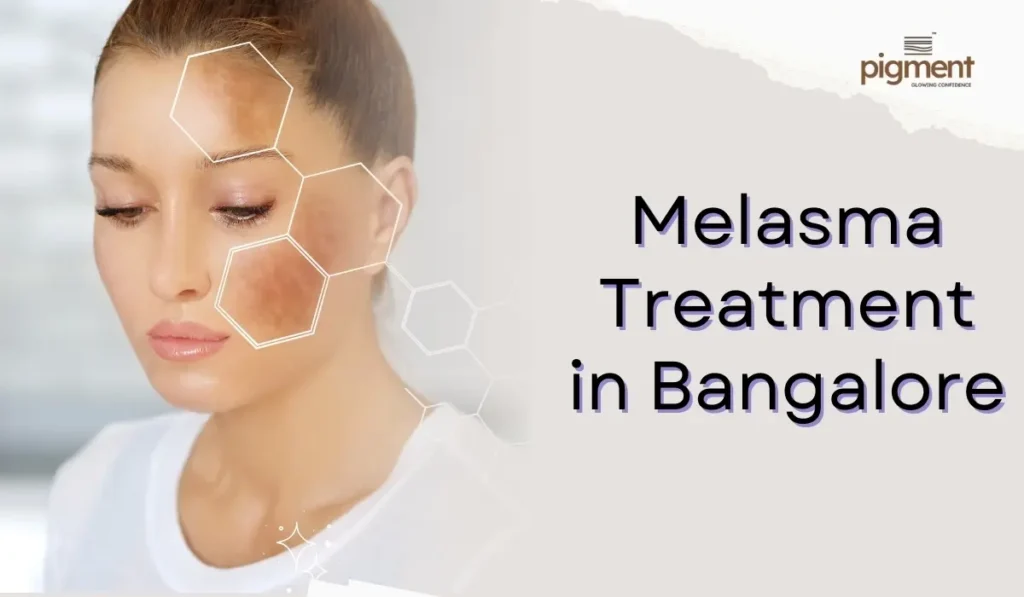
Melasma is one of the most stubborn pigmentation concerns seen in Bangalore clinics today. It often shows up as brown or gray patches on the cheeks, forehead, nose, or upper lip. For many people, it feels like an endless cycle. The patches fade a little when treated, return after sun exposure, and often look darker when the weather gets humid.
If this sounds familiar, you are not alone. Melasma is extremely common among Indian skin tones, especially in women between 25 and 45. And here is the important part. Melasma is treatable, but only when the treatment plan is matched correctly to your skin type and the depth of the pigmentation.
Indian skin (Fitzpatrick types IV to VI) has more active melanocytes and reacts strongly to heat, inflammation, and UV exposure. This is why the wrong product or the wrong laser can make things worse instead of better. So if you have tried creams with little progress or have seen your pigmentation return again and again, you are facing something very common with melasma.
The good news is that dermatologists in Bangalore now use a combination of proven, research-backed treatments that work safely on Indian skin. Let’s look at the five most effective options.
1. Topical Treatments: The Foundation of Melasma Care
Most dermatologists begin treatment with prescription creams. These are not basic over-the-counter lightening creams. They are scientific formulations that reduce pigment production, improve cell turnover, and calm inflammation. Because Melasma is triggered by hormones, it requires a carefully monitored protocol for medical pigmentation removal to prevent rebound darkening.
Ingredients that actually work
Here are the ingredients dermatologists trust for Indian skin:
- Hydroquinone: A melanin suppressant that reduces pigment production. Highly effective when used under supervision.
- Azelaic acid: Reduces inflammation and decreases pigment formation. Safe for long-term use.
- Kojic acid: A natural tyrosinase inhibitor that helps lighten dark patches gradually.
- Retinoids (like tretinoin): Increase cell turnover and help other ingredients penetrate better.
The Triple Combination Cream
The most effective topical used worldwide is a triple combination of:
- Hydroquinone
- Tretinoin
- A mild corticosteroid
This blend targets melasma at multiple levels. It suppresses melanin, speeds up exfoliation, and calms irritation. Because it is strong, dermatologists adjust the frequency based on your skin’s sensitivity to avoid overuse.
Why creams alone are not enough
Melasma is deeper than regular pigmentation. Creams help fade the surface layer, but if the pigment lies deeper in the dermis, you will need additional treatments. That is why dermatologists call topical care the foundation rather than the complete solution.
2. Chemical Peels: Safe Exfoliation for Indian Skin
Chemical peels gently exfoliate the top layers of the skin to remove excess pigment and encourage fresh, evenly toned skin to surface. For melasma, dermatologists use specific, controlled peels that are safe for Indian skin.
Common peels for melasma
- Glycolic acid peel: Works well for mild to moderate pigmentation.
- Lactic acid peel: Hydrating and gentler, ideal for sensitive skin.
- Mandelic acid peel: Very safe for Indian skin because it penetrates slowly.
- Light TCA peels: Used in very controlled and diluted concentrations.
Why peels help
Peels break the cycle of dullness and allow medicated creams to penetrate deeper. They also help improve texture, brighten the skin, and give quicker visible results when combined with other treatments.
Safety for Indian skin
Indian skin can develop post-inflammatory hyperpigmentation if the peel is too strong or applied incorrectly. This is why peels should always be done by trained dermatologists with experience in darker skin tones.
Cost of chemical peels in Bangalore
Typically ranges from ₹1,500 to ₹5,000 per session, depending on the type and strength of the peel.
3. Laser Toning: Breaking Down Deep Pigment Safely
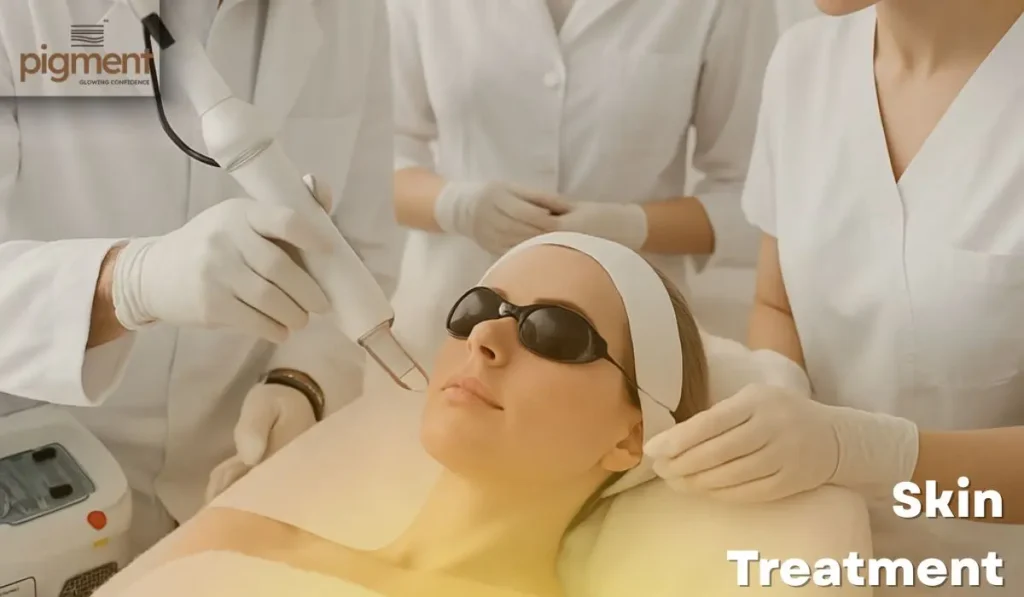
Laser toning is one of the most requested melasma treatments in Bangalore. It uses controlled bursts of light to break down deeper pigment particles without damaging the surrounding skin. This precision makes it ideal for Indian skin.
Q-Switched Laser
The most widely used laser for melasma in India. It targets melanin clusters gently and reduces pigmentation gradually. It is especially helpful for deeper or mixed melasma.
Pico Laser
A more advanced option that fires in picoseconds. It breaks pigment into finer particles and gives faster results with minimal heat production. This reduces the risk of rebound pigmentation.
Why lasers work well for melasma
- They reach deeper pigment deposits that creams cannot
- They are safe when used with conservative energy settings
- They give steady improvement session by session
Typical course
Most dermatologists recommend 6 to 10 sessions, spaced one to two weeks apart.
Laser cost in Bangalore
Ranges from ₹3,000 to ₹12,000 per session, depending on laser type and clinic expertise.
4. Oral and Injectable Tranexamic Acid: A Game Changer
Tranexamic Acid, commonly known as TXA, has become one of the most effective additions to melasma treatment in recent years. It works internally by reducing melanin activity and decreasing the formation of abnormal blood vessels that worsen pigmentation.
How TXA helps
- Reduces pigmentation from within
- Controls flare-ups caused by heat and inflammation
- Works well for stubborn melasma that did not improve with creams alone
Forms of TXA used
- Oral tablets
- Topical serums
- Microinjections placed in the dermis
Safety
TXA is generally safe under dermatologist supervision. It is not recommended for people with a history of clotting disorders.
Why dermatologists recommend TXA for Indian skin
Stubborn or deeper melasma responds especially well to TXA, and it improves overall skin tone when used correctly.
5. Sun Protection: The Most Important Step
Even the best treatment will fail if sun protection is ignored. Melasma is extremely sensitive to ultraviolet light, visible light, and even heat.
In cities like Bangalore, where UV exposure remains high year-round, sunscreen is non-negotiable.
What you need to use
- Broad spectrum SPF 30 or SPF 50
- Reapply every three hours
- Use a tinted sunscreen with iron oxides for extra protection
Why heat matters too
Heat triggers melanocytes, which deepen pigmentation even without sun exposure. This is why cooking, exercise, or even sitting near laptops can worsen melasma.
Protective habits that make a difference
- Wearing hats during daytime
- Choosing shady routes outdoors
- Avoiding peak sun hours between 10 am and 4 pm
- Using umbrellas or scarves if needed
Sun protection is not optional. It is the backbone of melasma management.
Not Sure Which Melasma Treatment Will Work for Your Skin?
Melasma has different types and each one needs a customized plan. Share your concerns with our dermatologists to understand the safest and most effective approach for Indian skin.
Chat on WhatsApp for Melasma GuidanceHow Dermatologists in Bangalore Combine Treatments for Faster Results
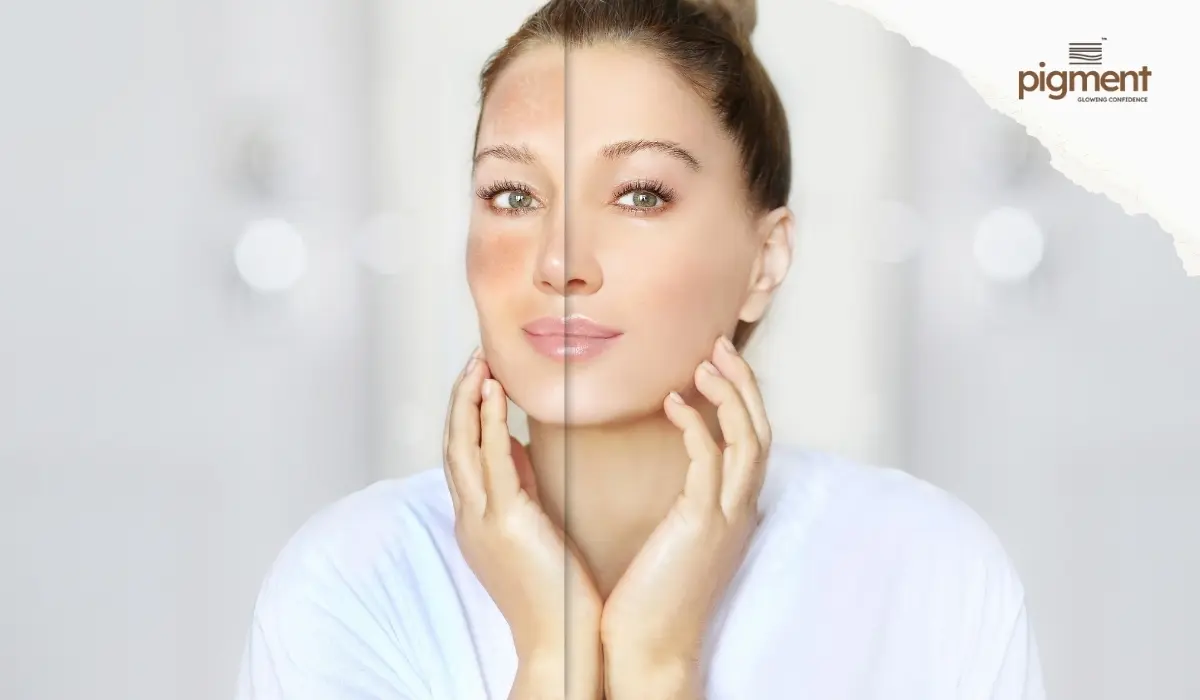
The most effective melasma treatment is rarely a single method. Dermatologists usually design a plan that targets pigment at multiple levels.
A common combination might include:
- TXA tablets
- Q-switched laser toning
- Mandelic acid chemical peels
- Retinoids at night
- Broad spectrum sunscreen daily
This layered approach improves results and prevents melasma from returning quickly.
Melasma Treatment Cost in Bangalore
Here is a transparent overview of approximate prices:
Treatment | Cost per session | Notes |
Chemical peels | ₹1,500 to ₹5,000 | Mild to moderate melasma |
Laser toning | ₹3,000 to ₹12,000 | Best for deeper melasma |
MNRF | ₹6,000 to ₹15,000 | For dermal melasma |
TXA medication | ₹800 to ₹2,000 monthly | For stubborn cases |
Topical creams | ₹500 to ₹1,500 | Maintenance needed |
Your exact cost depends on how deep your pigmentation is and how many sessions are required.
When You Should See a Dermatologist
You should seek professional help if:
- Your pigmentation is spreading
- Home remedies have made it darker
- Pigment looks patchy and uneven
- You have melasma for over six months
- You are not sure if it is melasma or another condition
Melasma is often confused with freckles, sun spots, or post-acne marks. Correct diagnosis is the first step toward real improvement.
Why Choose Pigment Skin & Hair Clinic for Melasma Treatment in Bangalore
At Pigment Skin & Hair Clinic, melasma is one of the most common concerns we treat. Our dermatologists create personalized plans that consider skin type, sensitivity, lifestyle, and budget. With advanced laser technology, safe peeling systems, and dermatologist-led protocols, you receive care that is both effective and long-term.
Our approach is simple. Safe treatments. Realistic expectations. Visible results.
Conclusion: Melasma Can Be Controlled With the Right Care
Melasma may feel stubborn, but it is not hopeless. When diagnosed correctly and treated with a combination of proven therapies, it fades gradually and stays under control with proper maintenance.
If you have been struggling with pigmentation on your face and nothing seems to work, it may be time to let a dermatologist guide you. The earlier you address melasma, the better the chances of keeping it stable.
Want Faster Results for Stubborn Melasma?
Combination therapy works best for deeper pigmentation. Talk to our dermatologist and find out which treatment plan can give you visible improvement.
Get Personalized Melasma AdviceFrequently Asked Questions About Melasma Treatment in Bangalore
Q1. Can melasma be cured permanently?
Ans: Melasma can be controlled but not permanently cured. With the right treatment and consistent sun protection, patches can fade and stay stable for long periods.
Q2. Which treatment works fastest for melasma?
Ans: Laser toning and light chemical peels give the quickest visible improvement, especially when paired with topical creams and TXA.
Q3. Is laser treatment safe for Indian skin tones?
Ans: Yes. Q-switched and pico lasers are safe for darker skin when performed with conservative settings by trained dermatologists.
Q4. How long does melasma take to improve?
Ans: Most people see improvement in 6 to 12 weeks with combination therapy. Deeper melasma may take longer and require maintenance.
Q5. Does melasma come back after treatment?
Ans: Melasma can return if sun protection is neglected or hormonal triggers persist. Consistent sunscreen use is essential to prevent recurrence.